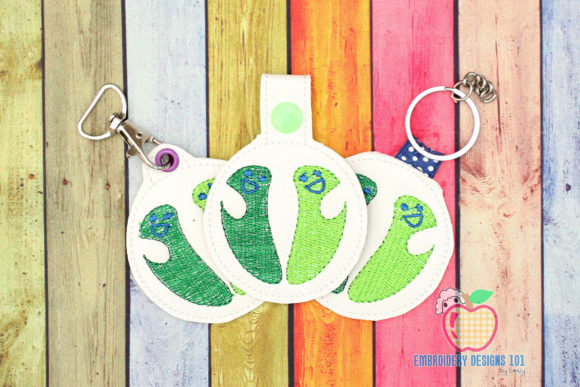
Study Lamp ITH Keyfob Design Review
As an embroidery designer who has spent years helping small businesses translate their brand identity into thread, I approach every new machine embroidery design with a critical eye. It is not just about whether a motif looks cute on a screen; it is about how it performs in the real world of commercial production. Recently, I evaluated the Study Lamp ITH Keyfob Design, a digital asset categorized under House and Embroidery, to determine its viability for branded merchandise. For boutique owners, Etsy sellers, and apparel decorators, understanding the practical application of such designs is crucial for maintaining professional standards.
First Impressions: Visual Personality and Brand Fit
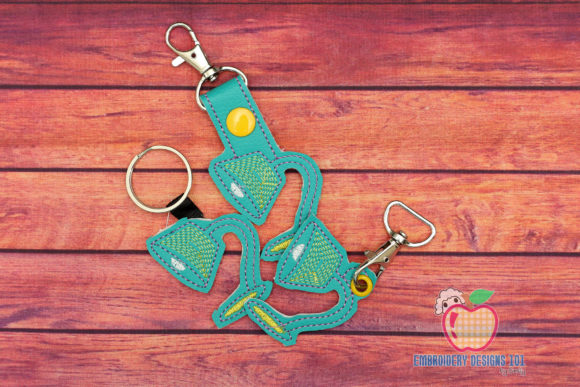
The initial appeal of the Study Lamp ITH Keyfob Design lies in its thematic clarity. The description promises to "bring some light into your next project," suggesting a motif that is both functional in symbolism and aesthetically pleasing. In the context of small business merch, this design leans heavily into a cozy, intellectual, or creative vibe. It feels less like a corporate logo and more like a lifestyle accent. This makes it an excellent candidate for brands that want to project warmth, creativity, or a love for home comforts.
For a local bookstore, a quiet café, or a creative studio, this design serves as a perfect visual metaphor. It is playful yet structured, which allows it to bridge the gap between whimsical handmade products and premium branded goods. However, because it is categorized as a keyfob design, we must assume it is compact. This compactness is a double-edged sword: it offers versatility for small items but requires careful handling to ensure legibility and impact.
Real-World Applications for Small Business Merch
When considering where to deploy this embroidery file, we must look beyond the obvious keyfob. While the In-The-Hoop (ITH) format is specifically engineered for three-dimensional accessories, the motif itself can often be extracted or utilized as a standalone element for other applications. Here is how I envision this design performing in a commercial setting:
- Branded Patches: If the design holds up at a small scale, it makes for an adorable iron-on or sew-on patch for tote bags and denim jackets. This is ideal for customer gifts or limited-edition drops.
- Apron Embroidery: For bakeries, florists, or craft workshops, placing this study lamp motif on the chest pocket of a staff apron adds a touch of personality. It reinforces the idea of "shedding light" on their craft.
- Cap Embroidery: A small, centered chest logo or a subtle side-panel detail on a dad hat can work well, provided the stitch density is not too high for the curved surface.
- Tote Bag Design: Used as a corner accent or part of a larger collage, this design can elevate a simple canvas bag into a desirable retail item.
- Product Packaging Accents: Imagine this embroidered on a small fabric tag attached to handmade candles or journals. It adds tangible value to the unboxing experience.
The versatility of this Study Lamp ITH Keyfob Design makes it a strong contender for diverse product lines. Whether you are running a pet brand that wants to evoke a cozy home feeling or a stationery shop targeting students, the imagery resonates with specific consumer emotions.
Technical Considerations and Production Challenges
While the aesthetic potential is high, the technical execution requires diligence. As a designer, I always advise checking the specifics of the digital embroidery file before committing to a large run. The product description notes that it comes in multiple formats, which is standard, but it does not specify the exact stitch count or recommended hoop size. This lack of data means you must proceed with caution.
Stitch Density and Fabric Texture
Small designs often suffer from high stitch density, which can cause puckering, especially on lighter fabrics like cotton tote bags or thin apron materials. Before stitching on your final finished product, test the design on a scrap piece of the same material. Use an appropriate stabilizer—likely a cut-away for stretchy fabrics or a tear-away for stable wovens—to ensure the lamp shape remains crisp and does not distort.
Scale and Legibility
Since this is originally a keyfob design, it is likely small. If you plan to use it as a standalone logo on a cap or shirt, ensure that the details of the lamp (such as the shade or the base) do not merge together. Tiny lettering or intricate outlines can get lost if the design is resized incorrectly. Always create a printable mockup or stitch out a test sample to verify that the visual hierarchy remains clear.
Thread Color Contrast
To maximize impact, consider how your thread colors interact with the fabric. A study lamp design might feature warm yellows or whites for the "light" element. On dark uniforms or navy caps, these light threads will pop, enhancing visibility. However, on white aprons, you may need to use darker outlines or background fills to ensure the design does not disappear. Testing in black and white first can help you understand the contrast levels without the distraction of color.
Enhancing Brand Identity and Customer Trust
Integrating a well-chosen design like the Study Lamp ITH Keyfob Design into your product line does more than just decorate an item; it strengthens your brand identity. Consistency in visual assets builds recognition. If your brand values creativity, learning, or home comfort, this motif acts as a silent ambassador for those values.
For handmade brands, the presence of custom embroidery signals quality and effort. Customers perceive embroidered items as higher value than printed ones. By using this design on tags, patches, or exclusive merchandise, you elevate the perceived worth of your small business merch. It shows attention to detail, which fosters trust and encourages repeat purchases.
Moreover, unique design assets differentiate you from competitors using generic clipart. When a customer sees a carefully stitched lamp emblem on their new tote bag, they associate that craftsmanship with your brand. This emotional connection is vital for long-term customer loyalty.
Practical Designer Notes for Commercial Use
Before you add this design to your commercial library, follow this checklist to ensure professional results:
- Verify Licensing: Confirm that the license allows for commercial use on physical goods. Never assume; always read the terms provided with the digital embroidery file.
- Check Hoop Size Compatibility: Ensure your machine’s hoop can accommodate the ITH structure if you are making keyfobs, or that the motif fits within your standard logo hoops for patches.
- Test on Curved Surfaces: If using for cap embroidery, stabilize properly to prevent shifting. The curvature of a cap can distort small designs if not hooped correctly.
- Evaluate Wash Durability: For items like aprons and uniforms that undergo frequent washing, ensure the satin stitches are dense enough to resist fraying but not so dense that they compromise the fabric integrity.
- Compare with Other Assets: Place this design alongside your existing logos and graphics. Does it complement your current visual language? Visual consistency is key to a polished brand presentation.
In conclusion, the Study Lamp ITH Keyfob Design offers a charming and versatile option for businesses in the House and Embroidery niche. With careful technical preparation and strategic placement, it can become a standout element in your custom apparel and accessory lines. By treating it as a serious branding tool rather than just a decorative novelty, you can unlock its full potential for driving engagement and sales.