Reviewing the Japanese Brown Monkey Design
As a designer who spends more time staring at stitch maps than actual fabric, I have learned that not every machine embroidery design is created equal. Some are mere decorations, while others become the cornerstone of a successful product line. When I first loaded the Japanese Brown Monkey into my digitizing software, I was looking for character. In the crowded niche of Woodland Animals, it is easy to find generic bears or deer, but a monkey with a distinct personality is a rare find. This review breaks down how this specific Embroidery asset performs in real-world applications, moving beyond the preview image to the practical realities of stitching, selling, and wearing.
First Impressions and Visual Personality
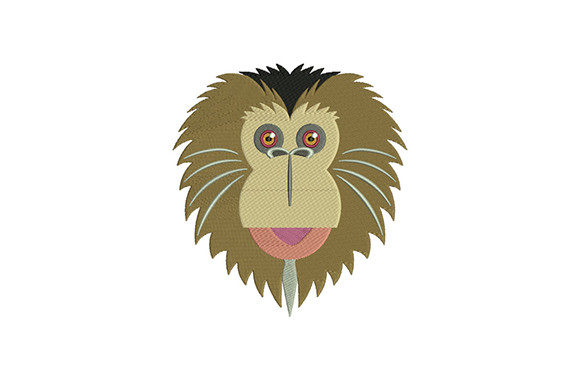
The immediate appeal of the Japanese Brown Monkey lies in its attitude. It does not look like a stiff, cartoonish clipart conversion. Instead, it carries a cool, slightly mischievous vibe that feels modern rather than dated. For an embroidery project to succeed in today’s market, it needs to resonate with current aesthetic trends. This design achieves that balance between whimsical and stylish. The layout is compact yet detailed enough to hold interest without becoming a dense block of thread. When I visualize this on a tote bag design or a minimalist sweatshirt, the monkey acts as a focal point that invites conversation. It is not just an animal; it is a character that adds narrative depth to the finished product.
Real-World Application: The Custom Sweatshirt Test
To truly evaluate a design, you must imagine it on a garment. I recently conceptualized a small batch of custom apparel for a local boutique, and the Japanese Brown Monkey was a top contender for their autumn collection. The goal was sweatshirt embroidery that felt premium but playful. Here, the design’s structure matters immensely. A poorly digitized animal can look muddy on thick fleece, but this design’s clear lines suggest it would handle the texture well.
For an Etsy seller or craft business owner, versatility is key. This monkey works equally well as a chest pocket accent on a hoodie or a larger back print on a crewneck. The "cool vibe" mentioned in the description translates to higher perceived value. Customers are not just buying a sweatshirt; they are buying a piece of art that reflects their personality. When you offer a personalized gift option, such as adding a name below the monkey, the design’s balanced bottom edge provides a natural anchor for text, ensuring the overall composition remains professional.
Fabric Considerations and Stitch Performance
One of the most critical aspects of using any digital embroidery file is understanding how it interacts with different materials. The Japanese Brown Monkey appears to rely on a mix of fill stitch areas for the body and potentially satin stitch or running stitch details for facial features and outlines. This combination is generally robust, but it requires careful handling.
On stable fabrics like cotton canvas or denim, the design should stitch out cleanly, providing sharp definition. However, when applying this to stretchy fabrics for custom apparel, such as jersey knits, the stitch density becomes a concern. If the density is too high, the fabric may pucker, distorting the monkey’s expressive face. I always recommend testing on scrap fabric first. For thinner materials, a cut-away stabilizer is non-negotiable to support the weight of the threads. Conversely, on textured fabrics like terry cloth towels, the finer details might get lost. In those cases, this design might work better as an applique design, where fabric patches define the shape, and embroidery adds the outlining details. This approach reduces stitch count and prevents sinking into the pile.
Navigating Hoop Sizes and Placement
Since the product description notes that this machine embroidery design comes with multiple file formats, it is likely available in various hoop sizes. This is a significant advantage for small shop product creators who need to maximize efficiency. A smaller version of the Japanese Brown Monkey could serve as an adorable detail on baby embroidery items, such as onesies or bibs. However, scaling down any design risks losing clarity. Before committing to a production run of baby items, inspect the smallest size in your software. Ensure that the eyes and mouth remain distinct and do not merge into a single blob of thread.
For curved surfaces like caps, placement is tricky. The monkey’s horizontal orientation might fit well on the front panel of a dad hat, but you must account for the curvature. Distortion can occur if the design is too wide relative to the cap’s seam. Always use a proper cap frame and consider reducing the pull compensation if your machine allows, to prevent the design from wrapping too tightly around the curve.
Commercial Viability and Brand Consistency
For commercial embroidery professionals, consistency is everything. The Japanese Brown Monkey offers a unique aesthetic that can help define a brand’s identity. Whether you are creating holiday embroidery for Christmas stockings or year-round merchandise, the design’s neutral brown tones allow for flexible thread colors adaptation. You can keep it traditional with earth tones or go bold with neon accents for a streetwear look. This flexibility makes it a valuable asset in your library of design assets.
When creating printable mockup images for online listings, the design’s clear silhouette photographs well. Good photography sells the handmade product, and a design with strong visual appeal simplifies this process. Buyers can instantly recognize the quality, which builds trust. However, remember that licensing terms vary. While the description mentions multiple formats, it does not explicitly state commercial rights. Always confirm whether you can sell finished items or if the license is for personal use only. Protecting your craft business from legal issues is as important as the stitching itself.
Practical Designer Notes for Best Results
- Test on Scrap Fabric: Never skip this step. Check for puckering, thread breaks, and color blending.
- Check Thread Contrast: The monkey’s details will pop best against contrasting backgrounds. Test light threads on dark fabric and vice versa.
- Review Stitch Density: If the design feels too stiff after stitching, consider editing the density in your digitizing software if you have the skills, or choose a lighter stabilizer.
- Confirm Hoop Size: Ensure the selected format fits your machine’s maximum hoop area without requiring re-hooping, which can cause alignment issues.
- Inspect Small Details: Zoom in on the eyes and limbs. Tiny, isolated stitches can cause trimming headaches and may pull out during washing.
- Mockup in Black and White: This helps you see the value contrast and ensures the design reads well even without color.
- Verify Licensing: Before listing on Etsy or selling to clients, double-check the license agreement included with the embroidery file.
Final Verdict
The Japanese Brown Monkey is a strong addition to any designer’s toolkit, particularly for those focusing on Woodland Animals with a twist. It bridges the gap between cute and cool, making it suitable for a wide range of demographics, from children’s personalized gift items to adult fashion accessories. Its success in your embroidery project will depend largely on your preparation: choosing the right fabric, stabilizer, and thread combination. By treating this design with the technical respect it deserves, you can create high-quality, engaging products that stand out in a saturated market. Whether you are an experienced Etsy seller or a hobbyist looking to elevate your craft, this monkey offers the character and versatility needed to create memorable, sellable work.