African Woman Machine Design: A Crafter’s Review
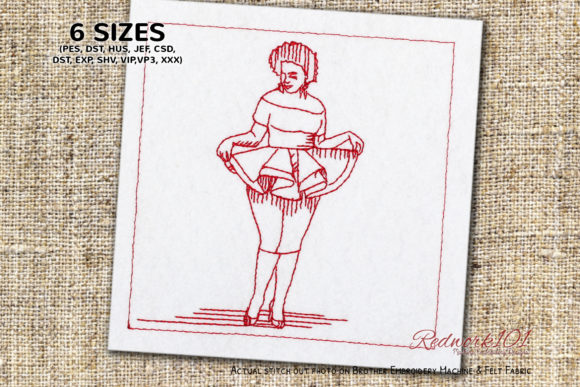
As an embroidery designer who has spent countless weekends behind a craft fair table, I know that the difference between a browser and a buyer often comes down to visual impact. When I first loaded the African Woman Machine design into my software, my immediate reaction was one of appreciation for its cultural elegance and stylistic clarity. This is not just another generic motif; it is a stylish representation of an African woman wearing a lovely dress, designed with the modern handmade market in mind. For Etsy sellers, boutique makers, and creative entrepreneurs, this piece offers a unique opportunity to add depth and diversity to a product line that often feels saturated with farmhouse or minimalistic trends.
First Impressions: Bold, Elegant, and Market-Ready
The first thing you notice about this machine embroidery design is its balance. It feels both bold and refined. The silhouette of the woman is distinct, making it easily recognizable from a distance—a crucial factor when you are trying to catch the eye of a customer walking past your booth. The description notes that the design features a lovely dress, which suggests flowing lines and potential for beautiful thread play. Unlike overly complex designs that can look muddy from ten feet away, this artwork maintains its integrity as a focal point. It does not scream "rustic" or "funny"; instead, it exudes a premium, decorative quality that appeals to buyers looking for meaningful, artistic home goods and wearable art.
The optional Box Stitch mentioned in the product details is a smart inclusion. In my experience, having a border option allows for versatility. You can use the box to frame the design on a square pillow cover or omit it for a more organic look on a curved cap or a tote bag. The note that the outer box color varies in most designs unless part of the core artwork is a reminder to always check your thread chart. This variability means you must be intentional about your thread colors to ensure the frame complements rather than clashes with the central figure.
Product Applications: Where This Design Shines
To determine the commercial viability of any digital embroidery file, I mentally place it on various substrates. Here is how African Woman Machine performs across different craft fair products:
- Tote Bags and Market Bags: This is arguably the strongest application. A large hoop size allows the design to breathe. On a natural canvas tote, the vibrant colors of the dress can pop against the neutral background, creating a striking tote bag design that serves as a statement piece.
- Aprons and Tea Towels: For kitchen textiles, placement is key. On an apron, centering the design on the bib creates a professional look. For tea towel embroidery, ensure the design is scaled correctly so it does not get lost in the hem or become too dense for the fabric texture.
- Embroidered Patches: If the design scales down well, it makes for an excellent embroidered patch. Patches are high-margin small shop products that allow customers to buy a piece of your art without committing to a large item. However, you must watch for tiny details that might not hold up at smaller sizes.
- Pillow Covers: A square pillow cover provides a perfect canvas for the optional box stitch. It frames the subject beautifully, turning a simple cushion into a piece of decor art.
- Caps: Embroidering on curved surfaces requires caution. If the design is too wide, it may distort. Test this on a scrap cap first to ensure the woman’s figure remains proportional and does not wrap awkwardly around the curve.
Production Practicalities for the Busy Maker
For those of us running small businesses, time is money. A design that is difficult to hoop or prone to thread breaks is a liability. When evaluating African Woman Machine for batch production, consider the stitch density. Designs with large filled areas can pull on lightweight fabrics, causing puckering. If you plan to use this on thin cotton or silk-like materials for a premium feel, using a cut-away stabilizer is non-negotiable. For heavier fabrics like denim or canvas tote bags, a tear-away stabilizer might suffice, but always test first.
Photography is another critical aspect. This design photographs well because of its clear lines and likely vibrant color palette. When creating your Etsy seller listings, use a printable mockup to visualize the design on different backgrounds before you even stitch a single thread. This helps in planning your inventory mix. Ensure that the contrast between the dress, the skin tones, and the background fabric is high enough to be visible in online thumbnails. Dark fabric can be tricky; if you embroider this on black or navy, you may need to adjust the thread colors or add an underlay to prevent the fabric from showing through the stitches.
Designer Notes: Avoiding Common Pitfalls
Before you list this as a finished product or include it in your commercial embroidery catalog, there are several technical checks you must perform. First, verify the hoop size requirements. The product description does not specify exact dimensions, so you must check the file details upon download. Attempting to shrink a design meant for a 5x7 hoop into a 4x4 hoop can result in lost detail and increased stitch density, leading to needle breaks.
Second, inspect the small details. Look closely at the facial features and the folds of the dress. Are there tiny satin stitches that might snag? If so, consider using a finer needle or adjusting the tension. Third, confirm the licensing. As a digital embroidery file buyer, you need to know if you have the right to sell finished items. Most designers allow this, but always read the terms. Finally, create at least one real physical sample. Screens lie. Seeing the fabric texture interact with the threads will tell you if the design feels premium or cheap.
Enhancing Brand Value and Customer Engagement
Incorporating African Woman Machine into your lineup does more than just add another item; it enhances your brand’s narrative. It shows that you value diversity, artistry, and global inspiration. For customers at a craft fair, this emotional connection can be the deciding factor. It transforms a simple handmade product into a conversation starter. Buyers often ask about the inspiration behind a piece. Having a design that celebrates culture and style allows you to share a story, which increases perceived value.
Furthermore, this design supports brand consistency if your shop leans towards artistic, colorful, or culturally rich aesthetics. It stands out against the sea of monogrammed towels and generic floral patterns. By offering this on high-quality blanks, you signal that your design assets are curated with care. Whether you are selling on Etsy or at a local weekend market, the visual appeal of this piece draws attention. It invites the customer to stop, look, and appreciate the craftsmanship, which is the ultimate goal of any successful craft fair product.
In conclusion, African Woman Machine is a versatile and visually compelling addition to any embroidery business. It bridges the gap between artistic expression and commercial viability. By paying attention to fabric choice, stabilizer selection, and strategic product placement, you can turn this embroidery file into a bestseller. Remember to test, photograph wisely, and let the elegance of the design speak for itself. Happy stitching!