Hat Girls Lineart Design: A Designer’s Review
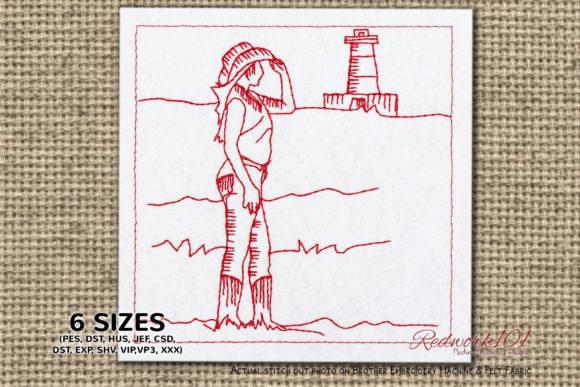
As an embroidery designer who has spent years digitizing and testing files for small business clients, I approach every new machine embroidery design with a critical eye. It is not just about whether the image looks cute on a screen; it is about how that image translates into thread, how it holds up on fabric, and ultimately, how it serves the brand identity of the business using it. Recently, I reviewed the Hat Girls Lineart Design, a piece described as an awesome cowgirl motif perfect for fans of the outdoors. After analyzing its potential for commercial use, I have compiled this review to help small business owners, apparel decorators, and handmade brands decide if this asset belongs in their library.
First Impressions: Visual Personality and Style
The immediate appeal of the Hat Girls Lineart Design lies in its versatility. The term "lineart" suggests a clean, graphic quality that avoids the muddy look often caused by overly complex shading in embroidery. For a business targeting the outdoor, rustic, or western lifestyle demographic, this design strikes a balance between playful and professional. It does not scream "costume"; rather, it whispers "lifestyle brand."
The description notes that the Box Stitch shown in promotional images is optional. This is a crucial detail for designers. An optional border allows you to adapt the design for different applications. Without the box, the cowgirl figure can float freely on a garment, offering a modern, minimalist aesthetic. With the box, it becomes a contained badge, ideal for structured patches. The note that the outer box color varies in most designs indicates that the file likely includes multiple color stops or variations, giving you flexibility in thread selection. This adaptability is essential for maintaining visual consistency across a diverse product line.
Real-World Business Applications
For small business owners, particularly those in the boutique, café, or creative studio sectors, merchandise is a powerful revenue stream. Here is how I envision the Hat Girls Lineart Design performing in real-world scenarios:
- Embroidered Patches: This is perhaps the strongest use case. The lineart style translates beautifully into a chenille or twill patch. Because the design is graphic, it remains legible even when scaled down. You can produce these as standalone products for Etsy shops or use them as branded add-ons for other purchases.
- Cap Embroidery: Hats are a staple of outdoor branding. The cowgirl motif fits naturally on a trucker hat or a structured baseball cap. However, placement is key. The front panel of a cap offers limited space, so ensuring the design fits within the standard hoop size without distorting the curve is vital.
- Apron Embroidery: For bakeries, florists, or craft studios, staff uniforms are walking billboards. Embroidering this design on the chest pocket of a canvas apron adds a touch of personality and professionalism. It signals to customers that the staff is part of a cohesive, thoughtful brand.
- Tote Bag Design: Canvas totes are popular for grocery runs and beach days. A larger version of this design, centered on the bag, creates a statement piece. The "outdoors" theme aligns perfectly with the utility of a tote bag, enhancing the perceived value of the handmade product.
- Custom Apparel: Beyond uniforms, this design works well on denim jackets, flannel shirts, or thermal tees. It serves as a chest logo accent or a sleeve detail, offering subtle branding that customers are proud to wear in their daily lives.
Technical Considerations for Production
While the aesthetic is strong, technical execution determines the quality of the finished product. As a designer, I always advise testing a new digital embroidery file thoroughly before committing to a large production run. Here are specific areas where the Hat Girls Lineart Design requires attention:
Stitch Density and Fabric Texture: Lineart designs rely on clear outlines. If the stitch density is too high, the threads may crowd each other, causing the fabric to pucker or the details to merge. Conversely, if the density is too low, the fabric may show through, breaking the visual continuity. Always test on the actual fabric texture you plan to use. Heavy canvas behaves differently than lightweight cotton.
Stabilizer Selection: To maintain the crispness of the lines, proper stabilizer use is non-negotiable. For stretchy fabrics like jersey tees, a cut-away stabilizer is recommended to prevent distortion over time. For woven fabrics like twill or denim, a tear-away may suffice, but a backing is still essential to support the stitches during the high-speed embroidery process.
Color Contrast: The description mentions that the outer box color differs in most designs. This highlights the importance of thread color contrast. When embroidering on dark uniforms or navy caps, ensure you use light-colored threads for the outline to maintain visibility. A printable mockup can help visualize this, but nothing replaces a physical test stitch-out. Check if the design works in black and white first; if it loses its definition without color, you may need to adjust your thread palette or add underlay stitches for better definition.
Size and Scaling: Be cautious when scaling this design for very small patch sizes. Intricate line work can become indistinct if reduced too much. Confirm the minimum viable size by stitching a sample. If the eyes or hat details blur together, the design is too small for that application. Always check the recommended hoop size provided with the file to ensure it fits your machine’s capabilities.
Impact on Brand Identity and Customer Trust
Using a cohesive design like the Hat Girls Lineart Design contributes significantly to brand identity. Consistency builds trust. When a customer sees the same high-quality embroidery on a tote bag, a cap, and an apron, they perceive the brand as professional and established. This visual consistency reinforces recognition, making your brand memorable in a crowded marketplace.
Furthermore, high-quality commercial embroidery elevates the perceived value of your products. A well-executed embroidered patch feels premium compared to a printed vinyl sticker. It suggests durability and care, qualities that resonate with buyers of handmade products and outdoor gear. By investing in a versatile design asset, you are not just buying a picture; you are investing in customer engagement and brand loyalty.
Final Verdict and Best Practices
The Hat Girls Lineart Design is a solid addition to the toolkit of any embroidery shop or small business owner focusing on outdoor or rustic themes. Its strength lies in its adaptability—from patches to apparel—and its clean, graphic style that withstands the translation from screen to thread.
Before launching this design into your product line, follow these steps:
- Verify File Details: The product description does not specify exact stitch counts, file formats, or license terms. Always confirm these details with the seller. Ensure you have the correct format for your embroidery machine (e.g., PES, DST, JEF).
- Check Commercial Licensing: Confirm that the purchase includes rights for commercial use. You need to be certain you can sell items made with this design without legal issues.
- Create a Mockup: Use design software to place the artwork on various items. Compare it beside other design assets to ensure it fits your brand’s visual language.
- Test on Real Fabric: Stitch out samples on the actual materials you intend to use. Inspect spacing, thread tension, and color contrast.
- Gather Feedback: Show the stitched samples to peers or potential customers. Their reaction can guide your pricing and marketing strategy.
In conclusion, the Hat Girls Lineart Design offers a blend of charm and professionalism that suits a wide range of small business merch applications. With careful attention to technical details like stabilizer choice and thread contrast, this design can become a cornerstone of your branded collection, driving both sales and brand recognition.