Treble Clef Music Sign Design Review
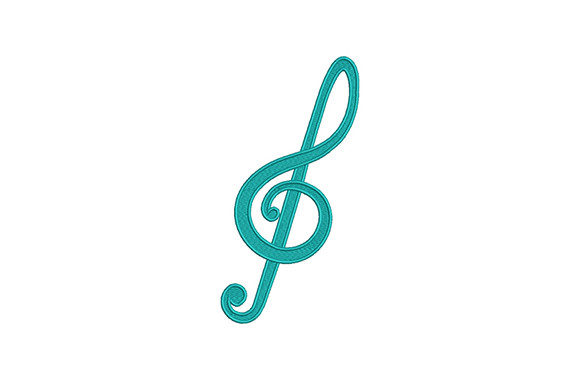
As an embroidery designer who has spent years digitizing and testing files for commercial use, I approach every new machine embroidery design with a critical eye. It is not just about whether the image looks pretty on a screen; it is about how that design performs under the needle, how it holds up after washing, and ultimately, how it serves the brand identity of the small business owner purchasing it. Recently, I evaluated the Treble Clef Music Sign Design, a piece marketed as elegant blackwork embroidery. For boutique owners, music studios, and creative entrepreneurs looking to expand their small business merch, this design offers a unique blend of classic aesthetics and modern versatility.
First Impressions: Elegance Meets Precision
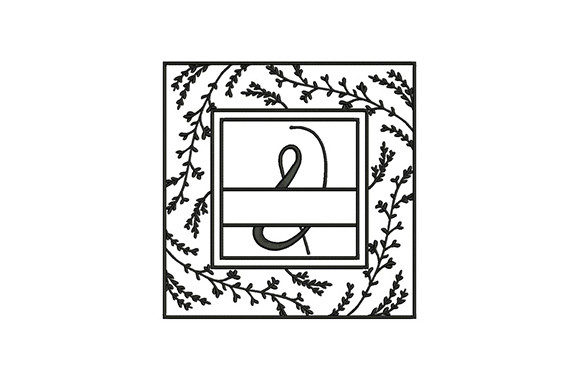
The immediate visual impact of the Treble Clef Music Sign Design is one of refined simplicity. The description highlights its nature as "elegant blackwork," which suggests a reliance on line work and contrast rather than heavy fill stitches. In the world of commercial embroidery, this is often a welcome trait. Heavy fills can make garments stiff and uncomfortable, whereas blackwork styles tend to remain flexible and breathable. The design feels professional and timeless, avoiding the trap of looking overly cartoonish or dated. It strikes a balance between being decorative and functioning as a serious brand mark. For a music teacher, a piano studio, or a classical instrument retailer, this aesthetic communicates sophistication and attention to detail.
Real-World Applications for Small Businesses
When I consider where this digital embroidery file fits best, I look at the diverse needs of today’s handmade brands and service providers. The versatility of a treble clef allows it to transcend niche markets. Here is how I envision this design performing in real business scenarios:
- Embroidered Patches: This is perhaps the strongest application. A well-digitized blackwork design translates beautifully into a patch format. It can be sewn onto canvas tote bags, denim jackets, or even laptop sleeves. For Etsy sellers, offering these as add-on items increases average order value.
- Staff Uniforms and Aprons: Imagine a high-end café that hosts live jazz nights or a boutique hotel with a curated playlist. Embroidering this clef on the chest pocket of a staff shirt or the corner of an apron embroidery project adds a subtle touch of class. It signals to customers that the establishment values culture and atmosphere.
- Cap Embroidery: Placing the design on the side panel or the back of a baseball cap creates a stylish, understated look. However, curvature matters. The design must be tested to ensure the lines do not distort when stitched on the curved surface of a cap front or side.
- Tote Bag Design: Canvas totes are a staple for bookstores, record shops, and art galleries. The stark contrast of black thread on natural canvas makes the Treble Clef Music Sign Design pop, creating a wearable advertisement for the brand.
Technical Considerations for Production
While the aesthetic appeal is strong, the technical execution determines the quality of the finished product. As a designer, I always advise checking specific details before running a production batch. The product description notes that the file comes in multiple formats, which is essential for compatibility with various machines. However, several factors require your attention:
Stitch Density and Fabric Texture: Blackwork designs rely on precise spacing. If the stitch density is too high, the fabric may pucker, especially on lighter materials like cotton poplin or silk blends. Conversely, if the density is too low on a textured fabric like terry cloth or fleece, the underlying material may show through, breaking the visual continuity of the clef. Always test on the actual fabric you intend to use.
Stabilizer Selection: Because this design likely features intricate lines and potential satin stitch borders, using the correct stabilizer is non-negotiable. A cut-away stabilizer is generally recommended for garments that will undergo frequent washing, ensuring the design remains stable and does not pull away from the fabric over time. For woven fabrics like those used in tote bags, a tear-away might suffice, but testing is key.
Thread Colors and Contrast: The description mentions it looks amazing on almost any fabric, but contrast is king. While black thread on white fabric is classic, consider how it looks on navy, charcoal, or deep burgundy. Ensure there is enough contrast for the design to be recognizable from a distance. If you are using it on dark uniforms, you may need to switch to a metallic or white thread, which changes the visual weight of the design entirely.
Brand Identity and Customer Trust
Using a consistent, high-quality graphic like the Treble Clef Music Sign Design strengthens brand identity. In the handmade and custom apparel market, professionalism is often judged by the finish of the product. A clean, well-executed embroidery signals to the customer that the business cares about quality. This builds trust. When a customer receives a tote bag or a shirt with a crisp, professional logo, they are more likely to engage with the brand on social media, share photos, and return for future purchases. It transforms a simple item into a piece of custom apparel that carries emotional and aesthetic value.
Where to Use Caution
Not every application is suitable for every design. I recommend exercising caution in the following areas:
- Tiny Lettering or Details: If the design includes any tiny text or extremely fine lines alongside the clef, these may not hold up at very small sizes, such as on a cuff or a small patch. Always check the minimum recommended size.
- High-Wear Areas: Avoid placing detailed blackwork on areas subject to extreme friction, such as the inner elbow of a work shirt, unless the stitch count is optimized for durability.
- Dark Uniforms with Dark Thread: If using black thread on black fabric, the design will disappear. You must use contrasting threads or consider a different design style altogether.
Practical Designer Notes for Buyers
Before you purchase this embroidery file for commercial use, follow these steps to ensure success:
- Check Licensing: Confirm the commercial licensing terms. Ensure you are allowed to sell items made with this design, especially if you are producing large volumes for commercial embroidery clients.
- Create a Printable Mockup: Use digital tools to place the design on virtual garments. This helps visualize scale and placement before stitching a single thread.
- Test Hoop Size: Verify that the design fits within your available hoop size. If you need to resize it significantly, be aware that this can affect stitch density and quality.
- Inspect Spacing: Zoom in on the design file if possible. Look for jumps or loose threads in the digitizing. A clean path means less trimming and a faster production time.
- Compare Design Assets: Place this clef beside your existing logo or other design assets. Does it complement your current visual language? Consistency is crucial for brand recognition.
In conclusion, the Treble Clef Music Sign Design is a valuable asset for businesses in the music, education, and lifestyle sectors. Its elegant blackwork style offers a sophisticated alternative to bulky, filled logos. By paying attention to fabric choice, stabilizer, and placement, small business owners can leverage this design to create high-value handmade product lines that resonate with customers. Whether used for a subtle sleeve detail or a bold statement on a tote, this design has the potential to elevate your brand’s visual presence.