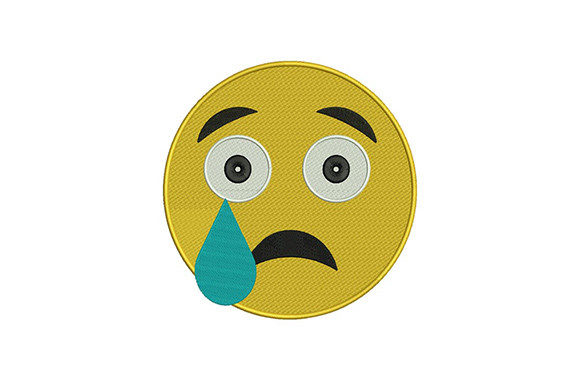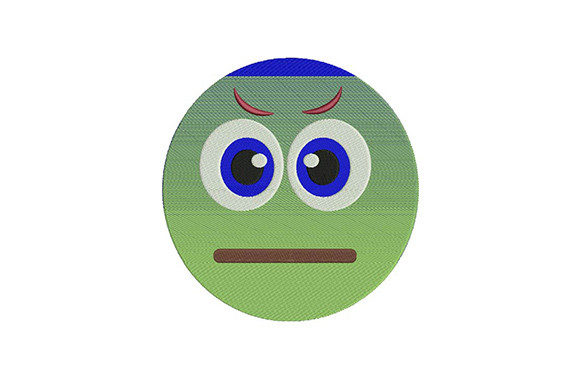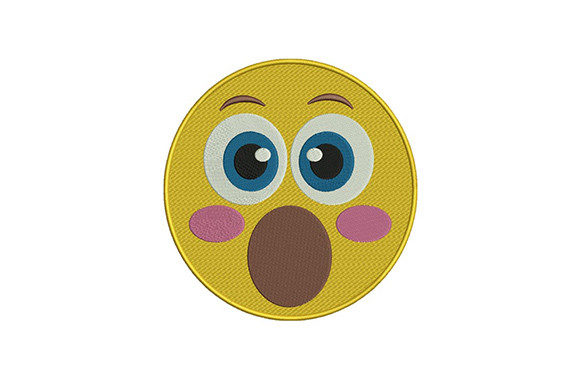
Shocking Angry Emoji: A Designer’s Review for Business Merch
As an embroidery designer who has spent years digitizing logos and testing files for small business clients, I approach every new machine embroidery design with a critical eye. It is not just about whether the image looks cute on a screen; it is about how it performs under the needle, how it holds up after fifty washes, and whether it elevates the brand identity of the client using it. Recently, I reviewed the Shocking Angry Emoji, a digital asset that promises to be fun, easy to stitch, and versatile across various fabrics. For owners of boutique shops, cafes, creative studios, and Etsy stores, understanding the practical application of this design is crucial before adding it to your product line.
First Impressions: Visual Personality and Brand Fit
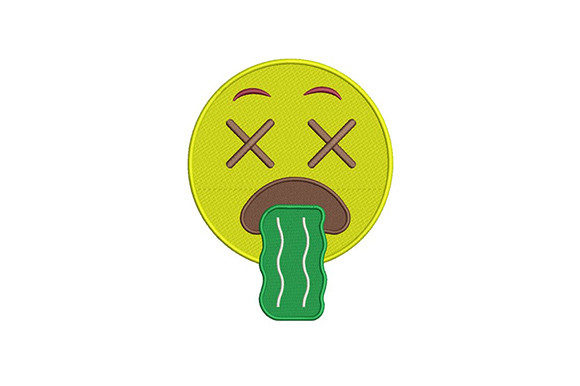
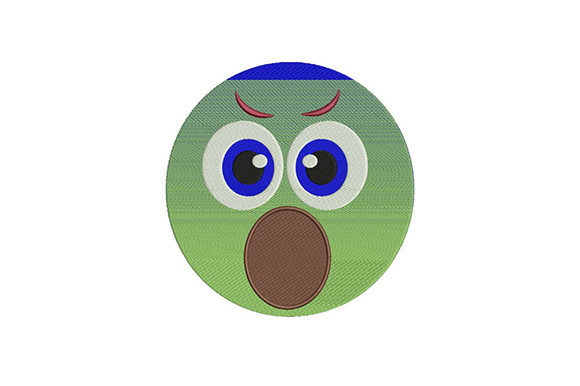
The first thing that strikes you about the Shocking Angry Emoji is its bold emotional resonance. In the world of branding, emojis have transcended casual text messages to become legitimate symbols of personality. This specific design falls squarely into the "Friends" category of social connection, but with an edge. It is playful yet expressive, making it an excellent choice for brands that want to appear approachable, human, and slightly irreverent.
Visually, the design feels modern and decorative. It does not attempt to be rustic or overly elegant; instead, it leans into a clean, graphic aesthetic that translates well to thread. For a handmade product line, this adds a layer of contemporary relevance. If you are running a bakery that specializes in spicy treats, a pet brand with attitude, or a creative studio that values honest communication, this emoji serves as a perfect visual shorthand. It signals to the customer that your brand has a voice and is not afraid to use it.
Real-World Applications for Small Business Merch
The true test of any embroidery file is its versatility in commercial applications. Based on the description that it stitches easily onto any fabric, here is how I envision the Shocking Angry Emoji working in a real business scenario:
- Embroidered Patches: This is perhaps the strongest use case. A high-quality patch featuring this emoji can be sold as a standalone accessory or used to customize denim jackets and backpacks. Patches allow customers to engage with your brand identity in a tactile way.
- Staff Uniforms and Aprons: Imagine a barista at a busy coffee shop wearing an apron with this small, witty detail on the chest pocket. It breaks the ice with customers and adds character to standard workwear. Apron embroidery like this turns staff into brand ambassadors.
- Cap Embroidery: Placed on the side panel or even the front of a dad hat, this design works well for streetwear-inspired merchandise. However, placement is key due to the curvature of the cap.
- Tote Bag Design: Canvas totes are staples for bookstores and florists. Stitching this emoji onto a tote creates a fun, conversation-starting piece of small business merch that customers will actually want to carry around.
- Product Packaging Accents: For higher-end items, a small embroidered tag featuring this design can elevate the unboxing experience, adding perceived value to the finished product.
Technical Considerations and Stitch Performance
While the product description states that the Shocking Angry Emoji is "high quality" and "easy to stitch," experienced decorators know that we must verify technical details before running a production batch. The description notes that the file comes with multiple embroidery formats, which is essential for compatibility with different machine brands. However, there are specific technical factors you must evaluate:
Stitch Density and Fabric Texture: Emojis often rely on solid fills to convey color and shape. If the stitch density is too high, it can cause puckering on lightweight fabrics like thin cotton tees or silk blends. I recommend testing the design on a scrap piece of your intended material first. If you are stitching on textured fabric, such as terry cloth towels or heavy canvas, ensure the design has enough definition to remain visible against the background texture.
Thread Colors and Contrast: The impact of this design relies heavily on color contrast. The "shocking" and "angry" elements likely require vibrant reds, oranges, or stark blacks. When creating your custom apparel, check if the recommended thread colors provide enough contrast against your garment color. A dark uniform might require a lighter outline or background fill to make the emoji pop.
Hoop Size and Placement: Since this is an emoji, it is likely designed for smaller to medium hoop sizes. Before committing to a large run, confirm the exact dimensions. If you plan to use it on a curved surface like a cap, ensure the design fits within the constraints of your cap frame without distortion.
Where to Use Caution
Not every application is suitable for every design. Here are areas where you should exercise caution with the Shocking Angry Emoji:
- Tiny Lettering or Details: If the emoji includes any text or extremely fine facial details, these may get lost if the design is scaled down too small for a tiny patch. Always inspect the design at 100% zoom to check for spacing issues.
- High-Wear Areas: While the description claims it looks great on any fabric, items that undergo frequent, harsh washing (like gym wear) require robust stabilizers. Ensure you use the proper stabilizer to prevent the stitches from pulling out over time.
- Dark Uniforms: If your base garment is black or navy, ensure the design includes enough light-colored threads or satin stitches to maintain visibility. Without proper contrast, the design may disappear.
Enhancing Brand Identity and Customer Trust
Incorporating a distinct visual element like the Shocking Angry Emoji into your design assets does more than just decorate a product; it builds recognition. Consistency is key to professionalism. If you use this emoji on your social media graphics, your website, and then physically on your commercial embroidery products, you create a cohesive brand ecosystem. This visual consistency fosters trust. Customers recognize the symbol, associate it with the quality of your handmade product, and feel a stronger connection to your brand.
Furthermore, using high-quality digital files signals professionalism. Sloppy stitching or poorly digitized logos can detract from buyer engagement. By choosing a file described as "fun and easy to stitch," you are minimizing production risks and maximizing the quality of the finished product. This attention to detail reflects positively on your business, encouraging repeat purchases and positive reviews.
Practical Designer Notes for Production
Before you launch this design on your Etsy shop or include it in your next corporate order, follow these practical steps:
- Test in Black and White: Print or stitch a monochrome version first to check the clarity of the shapes. If it looks muddy in black and white, it may lack definition in color.
- Create a Printable Mockup: Use digital tools to place the design on photos of your actual products. This helps you visualize scale and placement before wasting thread and fabric.
- Confirm Commercial Licensing: The description mentions it is a high-quality design, but always double-check the license terms. Ensure you have the right to use it for commercial embroidery and selling physical goods.
- Check File Formats: Verify that the included formats match your embroidery machine. Common formats include PES, DST, and JEF. If your specific format is missing, contact the seller before purchasing.
- Inspect Spacing: Look for jump stitches or dense clusters that might cause thread breaks. A well-digitized file should have smooth transitions between color blocks.
In conclusion, the Shocking Angry Emoji offers a vibrant, personality-driven option for small business owners looking to add flair to their merchandise. Whether used for tote bag design, staff apparel, or branded patches, it has the potential to enhance your brand identity when applied with technical precision. By respecting the limitations of fabric and stitch density, and by leveraging its playful nature, you can create memorable products that resonate with your audience. Always prioritize testing and quality control to ensure that your final output matches the professional standards your customers expect.