Shirt Button Line Art: A Designer’s Review
As an embroidery designer who has spent years digitizing and testing files for commercial use, I approach every new machine embroidery design with a critical eye. It is not just about whether a pattern looks pretty on a screen; it is about how it performs on fabric, how it holds up in the wash, and ultimately, how it serves the brand identity of the small business owner purchasing it. Recently, I reviewed Shirt Button Line Art, a digital asset that promises simplicity and creative flair. For boutique owners, Etsy sellers, and apparel decorators, this review breaks down whether this design is a viable addition to your product line.
First Impressions: Minimalism Meets Functionality
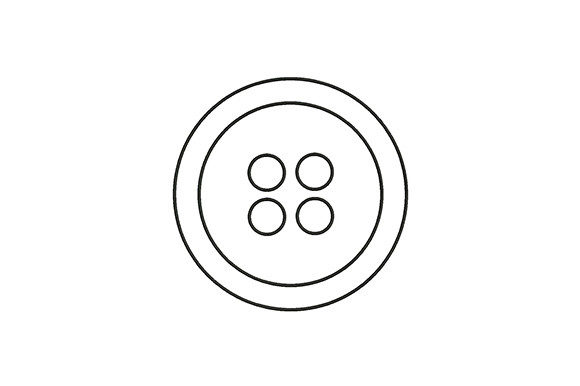
The immediate appeal of Shirt Button Line Art lies in its understated elegance. In a market saturated with overly complex, high-density logos, this design offers a breath of fresh air. It feels modern, clean, and intentionally handmade. The line art style suggests a focus on structure and form rather than excessive fill, which is crucial for maintaining a professional look on smaller items. When I first loaded the file, the simplicity stood out. It does not scream for attention; instead, it invites a closer look. This subtle quality makes it ideal for brands that value sophistication over loud graphics. Whether you are running a high-end bakery, a floral studio, or a minimalist clothing line, this aesthetic aligns well with contemporary trends in Clothing and accessory design.
Real-World Applications for Small Business Merch
The true test of any embroidery file is its versatility. Can it work across different products? Based on the description, Shirt Button Line Art is designed for variety. Here is how I envision it performing in real business scenarios:
- Branded Patches: This is perhaps the strongest use case. The line art style translates beautifully into an embroidered patch. Because the design is not overly dense, it remains flexible and soft, avoiding the "cardboard" feel that plagues many commercial patches. It can be sewn onto denim jackets, canvas totes, or even used as a hang-tag alternative for handmade goods.
- Staff Uniforms and Aprons: For cafés and boutiques, staff presentation is part of the customer experience. Placing this design on the chest pocket of a work shirt or the bib of an apron embroidery project adds a touch of professionalism without looking corporate. It signals attention to detail.
- Cap Embroidery: Caps are tricky due to the curved surface and limited space. The simple lines of this design make it a strong candidate for cap embroidery, provided the size is adjusted correctly. It avoids the bulk that can cause puckering on structured hats.
- Tote Bag Design: Canvas bags are a staple for small business merch. A single, well-placed instance of this line art can elevate a basic tote into a desirable fashion accessory. It works particularly well as a corner accent or a central minimal logo.
Navigating Technical Challenges
While the design is described as easy to stitch, experienced embroiderers know that "simple" does not always mean "forgiving." There are specific areas where you must exercise caution to ensure a high-quality finished product.
Stitch Density and Fabric Texture: Line art relies on precise spacing. If the stitch density is too low, the fabric may show through uncomfortably, or the threads may shift during washing. Conversely, if the density is too high for a lightweight fabric, you risk perforation. Always test on the actual fabric texture you intend to use. For textured materials like terry cloth or heavy canvas, you may need to adjust underlay stitches to ensure the lines remain crisp.
Size Limitations: Do not assume this design will scale infinitely. Tiny details in line art can disappear if the design is shrunk below a certain threshold. Before committing to a large batch of custom apparel, stitch out a sample at the smallest intended size. If the lines begin to merge or break, the design is too small for that application.
Thread Color Contrast: Since this is a line-based design, contrast is key. On dark uniforms, using a light thread is essential for visibility. However, ensure that the thread color complements the brand palette. A mismatched thread can make a premium design look cheap. Test various thread colors against your primary fabric choices to find the most striking combination.
Enhancing Brand Identity and Customer Trust
Why does the choice of embroidery matter for business growth? Consistency builds trust. Using a cohesive visual element like Shirt Button Line Art across your design assets helps solidify your brand identity. When a customer receives a package with a branded patch, or sees a barista wearing an apron with a subtle, well-executed logo, it reinforces the perception of quality. It tells the customer that you care about the details. This emotional connection can increase buyer engagement and encourage repeat business. In the world of commercial embroidery, the perceived value of the item often exceeds the cost of production, allowing for better profit margins on handmade product lines.
Practical Designer Notes for Production
Before you purchase and produce, follow these steps to mitigate risk and ensure success:
- Check File Formats: The product description mentions multiple embroidery file formats. Ensure the format matches your machine (e.g., PES, DST, JEF). Incorrect formats can lead to distorted stitching.
- Verify Hoop Size: Confirm the required hoop size before setting up your machine. Using a hoop that is too large can cause unnecessary tension, while one that is too small may require re-hooping, which risks misalignment.
- Use Proper Stabilizer: Even for simple designs, the right stabilizer is non-negotiable. For stretchy fabrics like t-shirts, use a cut-away stabilizer. For woven fabrics like twill or canvas, a tear-away may suffice. This prevents distortion and ensures the lines stay straight.
- Create a Printable Mockup: Before stitching, create a printable mockup or a digital visualization to show clients or stakeholders. This helps in approving the placement and size, reducing waste from trial and error.
- Confirm Licensing: Always verify the commercial license terms. Ensure you have the right to use the digital embroidery file for physical goods sold for profit. Never assume; always read the terms.
- Test Wash Durability: Stitch a sample, wash it, and dry it according to your care instructions. Check for thread breakage, shrinking, or puckering. This step is vital for maintaining customer satisfaction.
Final Verdict
Shirt Button Line Art is a promising asset for the modern embroiderer. Its strength lies in its adaptability and clean aesthetic. It is not just a decorative element; it is a functional tool for branding. For small business owners looking to expand their Embroidery offerings, this design offers a low-risk, high-reward opportunity. It fits seamlessly into the current demand for minimalist, authentic, and high-quality merchandise. By paying attention to technical details like stabilizer choice and stitch density, you can transform this simple line art into a powerful component of your brand’s visual language. Whether used on a cap, a tote, or a uniform, it delivers the professional finish that today’s consumers expect.