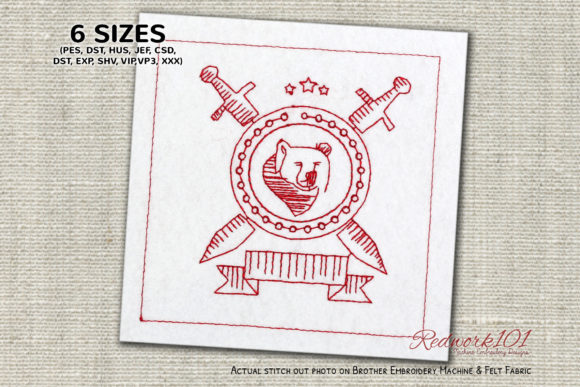
Security Sign Bear: A Designer’s Review for Craft Fairs
As an embroidery designer who has spent countless hours behind a sewing machine and even more time standing behind a booth table at local markets, I look at every new machine embroidery design through a specific lens. It is not just about whether the stitches are neat; it is about whether the design will stop a scrolling thumb on Instagram or make a passerby pause at my craft fair table. Today, I am reviewing the Security Sign Bear, a creative redwork piece that promises to keep you safe with a touch of whimsy. This review is tailored for fellow embroidery business owners, Etsy sellers, and handmade shop creators who need to know if this design deserves a spot in their next production batch.
First Impressions and Visual Appeal
The first thing that strikes me about the Security Sign Bear is its potential for immediate recognition. In the world of Backgrounds and focal Embroidery pieces, clarity is king. This design leans into a bold, slightly humorous aesthetic. The concept of a "security sign" featuring a bear suggests a mix of rustic charm and modern wit. It does not try to be overly elegant or delicate; instead, it feels grounded and approachable. For a craft fair seller, this is a significant advantage. Customers at handmade markets are often looking for items that spark joy or conversation. A design that combines the protective symbolism of a security sign with the cuddly imagery of a bear creates an instant emotional connection.
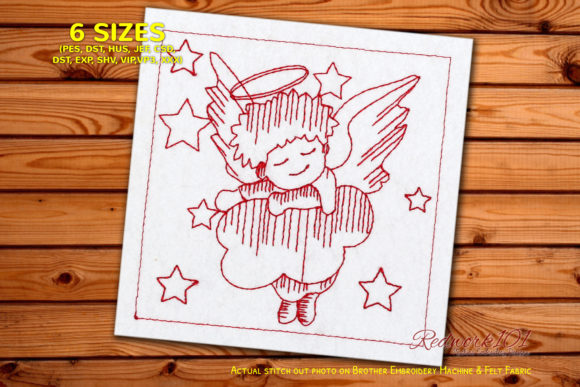
The description notes that this is a redwork embroidery. Redwork is a classic technique that relies on single-color stitching, traditionally red, on white or light fabric. This simplicity is a major selling point for production efficiency. It means you are not constantly changing thread colors, which speeds up the stitching process and reduces the risk of thread breaks or tension issues. However, the visual impact relies heavily on contrast. If you are planning to use this as a tote bag design or on a dark jacket, you must ensure the thread color pops against the fabric. The optional Box Stitch mentioned in the product details adds a frame that can help contain the design, making it look more like a finished patch or a deliberate graphic element rather than just floating stitches.
Product Applications for Maximum Sales
When preparing my display for a weekend craft fair, I always think about versatility. Where does the Security Sign Bear perform best? Based on its structure, I see high potential in several key craft fair product categories.
- Tote Bags and Market Bags: This is perhaps the strongest application. A large, central redwork bear on a natural canvas tote is trendy, practical, and highly visible. It serves as a walking advertisement for your brand.
- Apron Embroidery: Kitchenware is a staple of handmade markets. Placing this design on the bib of a sturdy cotton apron creates a charming gift item for home cooks who appreciate a bit of humor in their workspace.
- Tea Towel Embroidery: Similar to aprons, tea towels are low-cost, high-volume items. The redwork style fits perfectly with the traditional aesthetic of kitchen linens. Ensure the fabric texture is smooth enough to capture the details without puckering.
- Embroidered Patches: If the design scales down well, turning it into an iron-on or sew-on patch allows customers to customize their own jeans or jackets. This expands your market to those who prefer DIY customization.
- Jackets and Sweatshirts: As suggested by the product description, stitching this onto denim or fleece adds value. A left-chest placement works well for a subtle look, while a large back print makes a bold statement.
For Etsy sellers, this design also translates well into digital listings. You can create printable mockup images showing the bear on various items to attract buyers who own their own machines. However, always verify the commercial licensing terms of the digital embroidery file before selling finished products or sharing the file itself.
Production Practicality and Quality Control
From a production standpoint, the Security Sign Bear seems designed for repeatability. Batch production is essential for maintaining profit margins at small shops. Since it is primarily redwork, the setup time is minimal. However, there are critical technical considerations to address before you commit to a large run.
First, consider the stitch density. Redwork designs can sometimes be sparse, which is great for speed but may lack durability if the stitches are too far apart on items that will be washed frequently, like tote bags or aprons. Check the embroidery file settings to ensure the underlay is sufficient to prevent fabric show-through, especially on lighter materials. If the design includes the optional Box Stitch, verify that the corners are sharp and the lines are straight. Jagged lines can make a handmade product look amateurish.
Second, pay attention to the hoop size requirements. The description does not specify exact dimensions, so you must check the file details. If the design is large, you may need a 5x7 or 6x10 hoop. Ensure your machine can handle the required size comfortably. For smaller applications like caps or pouches, you might need to resize the design. Be cautious here: shrinking a design too much can cause the stitches to merge, losing the clarity of the bear’s features. Always test on scrap fabric first.
Third, fabric choice matters. The fabric texture can make or break the final look. Smooth cotton or linen works best for redwork. Avoid highly textured towels or fuzzy fleece for the main design area, as the single-color stitches may get lost in the pile. If you are stitching on dark fabric, remember that redwork traditionally uses red thread on white fabric. If you switch to white thread on dark fabric, ensure the contrast is stark. Alternatively, consider using a contrasting thread color that matches your brand palette, but test it thoroughly to maintain visibility.
Strategic Placement and Marketing
How does the Security Sign Bear affect your booth display strength? Visual appeal drives buyer engagement. Because this design is bold and likely high-contrast, it should be used as a focal point. Do not hide it among smaller, busier designs. Give it space to breathe. On a table display, place a tote bag with this design at eye level. Use it as a sample to demonstrate the quality of your stitching. The clean lines of redwork convey a sense of premium finished product quality when executed correctly.
For online listings, photography is crucial. The simplicity of the design means it photographs well, but you must highlight the texture of the stitches. Close-up shots that show the precision of the redwork will build trust with potential buyers. Mention the versatility of the design in your product descriptions. Highlight that it can be stitched on jackets, sweatshirts, jeans, or anything else, as noted in the product details. This encourages customers to imagine the design on their preferred items.
Designer Notes for Best Results
To ensure success with the Security Sign Bear, follow these practical steps:
- Test on Scrap Fabric: Always stitch a test piece on the same type of fabric you plan to sell. Check for puckering or thread breaks.
- Check Thread Contrast: Ensure the thread color stands out against the fabric. High contrast is key for redwork.
- Review Spacing: Inspect the distance between stitch lines. If they are too close, they may pull the fabric; if too far, the design may look incomplete.
- Confirm Hoop Size: Verify the required hoop size in the file details to avoid last-minute scrambling at the machine.
- Use the Right Stabilizer: Choose a stabilizer that matches the fabric weight. Cut-away stabilizer is often best for items that will be washed frequently, like tote bags and aprons.
- Create Real Mockups: Photograph the stitched design on actual products rather than relying solely on digital renderings. Real photos convert better for small shop product listings.
- Verify Licensing: Confirm that your purchase of the design assets includes commercial rights for selling finished goods.
In conclusion, the Security Sign Bear is a strong contender for your next collection. Its blend of humor, simplicity, and classic redwork style makes it versatile for various commercial embroidery applications. By paying attention to production details and presenting it strategically, you can turn this design into a bestseller at your next craft fair or online shop update.