Reviewing the Cat with Deep Blue Eyes Design
As a designer who has spent countless hours hooping fabric and trimming jump stitches, I have learned that not every machine embroidery design is created equal. Some look stunning on a screen but turn into a tangled mess of thread on actual fabric. Others are workhorses that perform reliably across various textiles. Recently, I had the chance to evaluate the Cat with Deep Blue Eyes pattern, and I want to share my practical insights for fellow crafters, Etsy sellers, and apparel decorators.
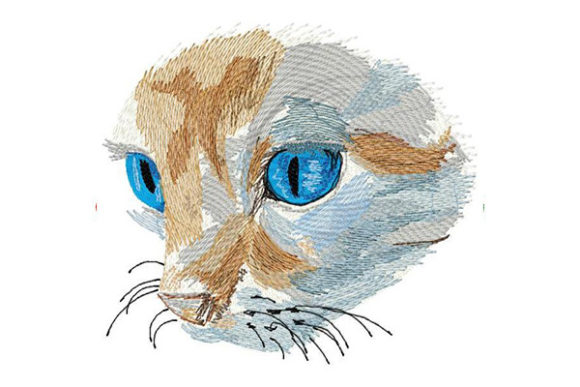
The first thing that strikes you about this design is its emotive quality. The focal point, naturally, is the gaze. In digital previews, those deep blue eyes pop against the surrounding elements, creating an immediate connection with the viewer. For a handmade product, this emotional hook is invaluable. It transforms a simple piece of cloth into a personalized gift that feels intentional and thoughtful. However, visual appeal is only half the battle. The real test lies in how the design translates from a digital embroidery file to a physical stitched object.
Real-World Application and Fabric Choice
To truly understand the viability of this asset, I imagined a specific scenario: creating a custom embroidered tote bag for a local boutique. Tote bags are popular items for small shop products because they serve as walking advertisements. The Cat with Deep Blue Eyes looks great on T-shirts, blouses, jackets, towels and mostly any piece of fabric, but the texture of a canvas tote presents unique challenges compared to a smooth cotton blouse.
When stitching on heavier fabrics like denim or canvas, you must consider the stitch density. If the design relies heavily on fill stitch areas without proper underlay, it can cause puckering. Conversely, if it uses too much satin stitch on a textured surface, the threads may not lay flat, obscuring the fine details of the cat’s fur or facial features. My advice is to always test the design on scrap fabric first. This allows you to adjust your tension and see how the thread colors interact with the base material.
For lighter applications, such as baby embroidery on a onesie or a soft blanket, the design needs to be gentle. Thick, dense stitching can irritate sensitive skin. In these cases, checking whether the design works well with a lightweight stabilizer is crucial. The description notes that you should use proper stabilizers depending on the fabric used, which is a vital reminder. A cut-away stabilizer might be necessary for stretchy fabrics like jersey knits found in sweatshirt embroidery, while a tear-away could suffice for stable woven cottons used in kitchen towels or aprons.
Navigating Technical Constraints
One area where many designers stumble is hoop size compatibility. While the Cat with Deep Blue Eyes is versatile, placing it on curved surfaces like caps requires careful planning. An embroidered patch might be a safer bet for headwear, allowing you to stitch the design flat before applying it to the curved brim. This ensures that the intricate details around the eyes do not distort during the stitching process.
Another critical factor is contrast. The "deep blue" in the title suggests a specific color palette, but what happens if a customer wants this design on a navy blue hoodie? Without sufficient contrast, the design disappears. I recommend testing it in black and white mockups to evaluate the tonal range. If the design relies solely on color to define its shape, it may fail on dark fabric or low-contrast backgrounds. Always check thread color contrast and consider offering alternative colorways for your customers.
Small details can also be problematic. If the design includes tiny whiskers or fine outlines using running stitch, these may break or get lost if the needle size is too large or the thread quality is poor. Inspect small details closely in your preview software. Zoom in to ensure that corners are sharp and that there are no excessive jump stitches that will require tedious trimming later. Efficiency matters in commercial embroidery, where time is money.
Commercial Viability and Brand Consistency
For Etsy sellers and creative entrepreneurs, the aesthetic consistency of your shop is paramount. The Cat with Deep Blue Eyes fits naturally into niches focused on pet lovers, whimsical home decor, or gentle nursery themes. It enhances brand consistency if your other design assets share a similar level of detail and charm. When used in holiday embroidery projects, such as Christmas stockings or Easter pillows, the design adds a touch of warmth that buyers appreciate.
However, before listing finished items or digital embroidery files, you must confirm licensing terms. Not all designs allow for commercial use. Ensure that you have the right to sell products made with this pattern. This protects your business from legal issues and builds trust with your customers. Professionalism in sourcing your design assets reflects directly on the perceived value of your finished product.
Furthermore, consider the durability of the final item. Products that need frequent washing, like tea towels or children’s clothing, require robust stitching. Check the stitch density to ensure it holds up over time. A design that looks beautiful after one wash but unravels after five will damage your reputation. Customer trust is built on reliability, not just initial appearance.
Final Thoughts for the Modern Maker
In conclusion, the Cat with Deep Blue Eyes is a promising addition to any designer’s library, provided it is used with technical awareness. It offers strong visual appeal and emotional resonance, making it ideal for personalized gifts and custom apparel. By paying attention to stabilizer choice, fabric texture, and stitch clarity, you can elevate this design from a simple graphic to a high-quality embroidered piece.
Remember to compare light and dark fabric backgrounds, verify hoop size limitations, and always prioritize the end-user experience. Whether you are creating a single bespoke jacket or a batch of tote bags for a craft fair, these practical steps will ensure your work stands out. Embrace the creative process, respect the technical constraints, and let your craftsmanship shine through every stitch.