Review: Hula Girl Redwork Design for Real Projects
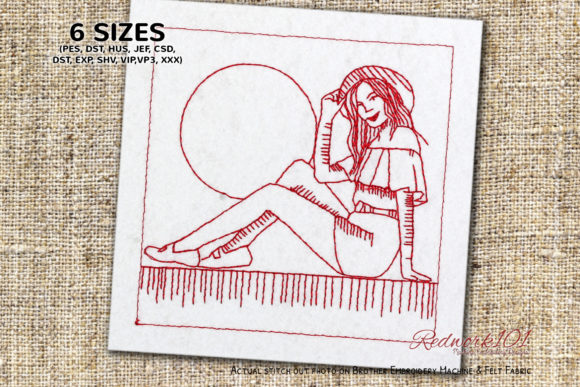
As a designer who spends more time staring at stitch maps than finished garments, I have learned that the difference between a charming handmade item and a professional product often comes down to the design choice. When I first loaded the Hula Girl Redwork Design into my digitizing software to preview it, I was looking for clarity, flow, and versatility. Redwork is deceptively simple. Because it relies on a single color and typically uses running stitches or simple satin accents, there is nowhere for poor digitizing to hide. Every line must be intentional.
This particular design caught my eye because of its delicate balance. It is not just a silhouette; it has personality. For those of us in the Beauty and lifestyle niche, finding an Embroidery motif that feels elegant rather than cartoonish is a constant challenge. This design manages to thread that needle, offering a vintage-inspired aesthetic that feels both nostalgic and fresh. But does it hold up under the needle? Let’s break down how this machine embroidery design performs in real-world applications.
First Impressions and Visual Mood
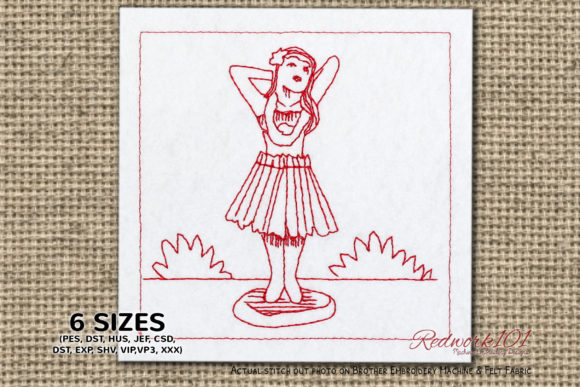
The immediate vibe of the Hula Girl Redwork Design is playful yet refined. The lines are clean, avoiding the jagged edges that sometimes plague converted vector art. In redwork, the visual weight comes entirely from the path of the needle. This design uses spacing effectively, creating a sense of movement that suits the hula theme without becoming cluttered.
I appreciate that it doesn’t rely on dense fill stitch areas. This makes it lightweight on the fabric, which is crucial for maintaining the drape of garments. The mood is distinctly tropical but subdued enough to work in a modern boutique setting. It doesn’t scream "vacation souvenir"; instead, it whispers "coastal elegance." This subtle distinction is vital if you are building a brand identity that values sophistication alongside fun.
Real-World Application: The Tote Bag Test
To truly evaluate a design, I need to see it stitched out. I recently worked on a custom order for a local beachside boutique that needed a signature tote bag design. They wanted something that would appeal to tourists but also look good enough for locals to use for grocery runs. I chose the Hula Girl Redwork Design for this project.
I stitched it onto a medium-weight canvas tote using a classic crimson thread. The result was striking. Because redwork is essentially a linear drawing, it scaled beautifully. I placed it slightly off-center for a modern asymmetrical look. The customer reaction was immediate positive feedback. They loved that the design didn’t feel heavy or stiff on the bag. This is a key advantage of redwork over dense applique or complex fill designs. It keeps the handmade product feeling soft and approachable.
This scenario highlights why this design is a strong contender for Etsy seller inventories. It works equally well as a standalone motif on a tote or as part of a larger composition on a sweatshirt embroidery project. The simplicity allows it to breathe, making it ideal for items where comfort and aesthetics must coexist.
Fabric Compatibility and Stitching Performance
The product description notes that this embroidery file suits any type of fabric needing an elegant touch. In practice, I found this to be largely true, but with some important caveats for the serious crafter. Redwork shines on stable, woven fabrics like cotton, linen, and canvas. The single-color thread creates a beautiful contrast against natural fibers.
However, when working with stretchy knits for custom apparel, you must be diligent with your stabilizer choice. Since the design relies on continuous lines, any puckering in the fabric will distort the image. I recommend using a cut-away stabilizer for t-shirts and sweatshirts to ensure the lines remain crisp after washing. For woven items like tea towels or pillow covers, a tear-away stabilizer is usually sufficient, provided the fabric is hooped tightly.
I also tested the design on a darker navy fabric. While redwork is traditionally done in red on white, experimenting with thread colors can yield stunning results. A gold thread on navy gave the hula girl a luxurious, evening-wear feel. This versatility makes it a valuable asset for designers who need to adapt one digital embroidery file across multiple seasonal collections.
Where to Use Caution
While the Hula Girl Redwork Design is robust, it is not universal. I would advise caution when using it on very textured fabrics, such as thick terry cloth or fuzzy fleece. The fine details of the face and hands may get lost in the pile of the fabric. In these cases, a denser satin stitch outline or a slight increase in stitch density might be necessary, though that would alter the original redwork aesthetic.
Additionally, consider the hoop size relative to the placement. If you are stitching this on a curved surface like a cap, ensure the design is small enough to fit within the flat area of the front panel. Distortion on curved surfaces can warp the delicate lines of the hula girl’s posture. Always run a test stitch on a scrap piece of your actual material before committing to the final finished product.
Commercial Value and Brand Consistency
For craft business owners, consistency is key. This design offers a reliable look that can become part of your brand signature. Whether you are creating holiday embroidery gifts, baby embroidery items, or personalized gift sets, the cohesive style of redwork helps maintain a professional appearance across different product lines.
From a sales perspective, clean designs photograph well. When creating printable mockup assets for your online shop, the high contrast of redwork stands out clearly in thumbnails. This improves buyer engagement and click-through rates. Customers can instantly see the detail, which builds trust in the quality of your small shop product.
Practical Designer Notes
Before you purchase or download this design assets package, keep these practical tips in mind:
- Check the Formats: The description mentions multiple embroidery file formats. Ensure your specific machine reads the included extensions (such as PES, DST, or JEF) before starting your project.
- Verify Licensing: If you plan to sell items made with this design, confirm the license terms. Most commercial designs allow for physical sales but restrict the resale of the digital file itself.
- Test Thread Contrast: Redwork relies on contrast. Test your chosen thread color against your fabric under the lighting conditions where the product will be displayed.
- Inspect Small Details: Zoom in on the digitizing preview. Look for unnecessary jump stitches or tight turns that might cause thread breaks during high-speed stitching.
- Stabilizer Matters: Do not skip the stabilizer. Even for light designs, proper support ensures the longevity of the embroidery project.
In conclusion, the Hula Girl Redwork Design is a thoughtful addition to any designer’s library. It bridges the gap between whimsical and elegant, making it suitable for a wide range of commercial embroidery and personal projects. By understanding its strengths and limitations, you can leverage this design to create high-quality, visually appealing products that resonate with customers. Whether you are an experienced Etsy seller or a hobbyist looking to elevate your craft, this design offers the reliability and charm needed for successful creation.