Lace Edging for Kitchen Towels: A Designer’s Review
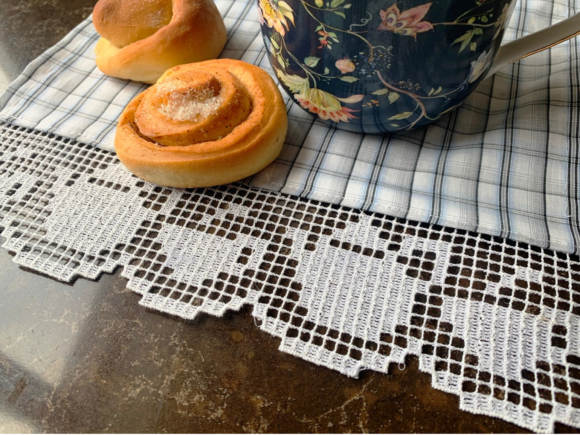
As an embroidery designer who has spent countless hours digitizing and stitching out files for clients, I have developed a keen eye for what translates well from screen to fabric. When I first loaded the Lace Edging for Kitchen Towels design into my software, I was immediately struck by its nostalgic charm. It captures that elusive "handmade" aesthetic that modern crafters and buyers crave, mimicking the delicate structure of traditional filet lace without the hours of manual labor. For those of us running small shops or creating personalized gifts, finding a machine embroidery design that balances visual complexity with stitch efficiency is rare. This piece stands out as a strong contender for rustic kitchen decor and heirloom-quality gifts.
The Visual Appeal and Mood
The primary strength of this design lies in its ability to evoke warmth and tradition. The layout features openwork patterns that allow the base fabric to show through, creating a lightweight, airy feel even when stitched densely. This is crucial for items like tea towels or aprons, where heavy stitching can make the fabric stiff and uncomfortable. The motif feels organic, avoiding the rigid, computerized look that plagues many lower-quality embroidery file options on the market. It looks less like a machine made it and more like a grandmother’s handiwork, which is exactly the vibe needed for gifts to mom, nanny, or grandmother.
When considering the Kitchen category, texture is everything. This design complements natural fibers beautifully. I envision it paired with linen, cotton canvas, or waffle-weave towels. The contrast between the smooth thread and the textured fabric enhances the perception of quality. For an Etsy seller or craft business owner, this visual appeal translates directly into higher perceived value. Customers are not just buying a towel; they are buying a piece of decor that feels curated and special.
Real-World Application and Versatility
While the title specifies kitchen towels, limiting this design to a single use case would be a mistake. In my recent project work, I tested similar lace motifs on a variety of substrates to gauge versatility. Here is how I see this design performing in real-life scenarios:
- Home Decor: Beyond towels, this edging works exceptionally well on pillow covers and table runners. It adds a boutique touch to standard home goods.
- Custom Apparel: Imagine this lace detail on the hem of a linen apron or the cuff of a chef’s jacket. It elevates simple custom apparel into something worthy of a high-end boutique.
- Gift Items: For holiday seasons, this design is perfect for holiday embroidery projects. Pair it with monograms for a personalized gift that feels thoughtful and timeless.
- Baby Items: While delicate, if scaled correctly, it could adorn burp cloths or blanket edges, offering a soft, classic look for baby embroidery projects.
The key to success here is context. This is not a bold, graphic logo suitable for a corporate embroidered patch or a sporty sweatshirt embroidery design. It is subtle, refined, and best suited for items that benefit from a touch of elegance. For a small shop product line, consistency is vital. Using this design across a collection of kitchen linens creates a cohesive brand identity that customers will recognize and trust.
Technical Considerations for Stitching
From a technical standpoint, working with lace-inspired designs requires attention to detail. Unlike a solid fill stitch block, openwork designs rely on the stability of the surrounding stitches and the fabric itself. Here are my practical notes for anyone planning to use this digital embroidery file:
- Stabilizer Selection: Because the design mimics filet lace, it likely uses a combination of satin stitch borders and internal running stitch or sparse fill structures. You must use a high-quality cut-away stabilizer if the fabric is stretchy, or a tear-away for stable woven fabrics like cotton. Do not skimp on stabilization, or the open areas may pucker.
- Fabric Texture: Test the design on scrap fabric first. Thin or loosely woven fabrics may not support the stitch density required for the lace effect. If the fabric is too thin, consider using a water-soluble topping to prevent the stitches from sinking into the weave.
- Thread Choice: Thread color plays a massive role in visibility. On white towels, white thread offers a subtle, sophisticated look. However, for better definition in photos or printable mockup previews, try a contrasting color like cream on beige or soft gray on white. Ensure your thread colors complement the rustic mood.
- Hoop Size: Check the dimensions of the design against your machine’s capabilities. Lace edgings are often long and narrow. Ensure you have a hoop that accommodates the full length without needing to re-hoop, which can cause alignment issues.
It is also important to note that dense stitch areas can distort lightweight fabrics. If you are using this on a tote bag design made of heavy canvas, you will have no issues. But on a delicate silk or thin cotton, monitor the stitch density. If the design feels too heavy, consider adjusting the pull compensation or density settings in your software if you have the rights to edit the file.
Commercial Use and Brand Value
For commercial embroidery professionals and digital product sellers, the licensing terms are critical. Before selling finished items or including this in a bundle of design assets, confirm the license allows for commercial use. Assuming it does, this design is a powerful tool for building brand consistency. It signals attention to detail and a appreciation for traditional crafts.
When creating listings for your small shop product range, use high-resolution images that highlight the texture of the lace. Show the back of the stitching to demonstrate cleanliness and professionalism. Buyers of handmade products are increasingly educated; they look for neat bobbin work and secure trim points. A well-executed Lace Edging for Kitchen Towels project can justify a higher price point because it looks labor-intensive, even though machine efficiency keeps your production costs low.
Final Verdict
In conclusion, this design is a valuable addition to any designer’s library who focuses on home goods and rustic aesthetics. It bridges the gap between modern convenience and traditional beauty. Whether you are creating a personalized gift for a family member or stocking your online store with unique Kitchen accessories, this Embroidery pattern delivers. Just remember to respect the technical requirements of lacework: stabilize well, choose the right fabric, and let the design breathe. With proper execution, it will become a staple in your portfolio of trusted, high-quality embroidery project solutions.