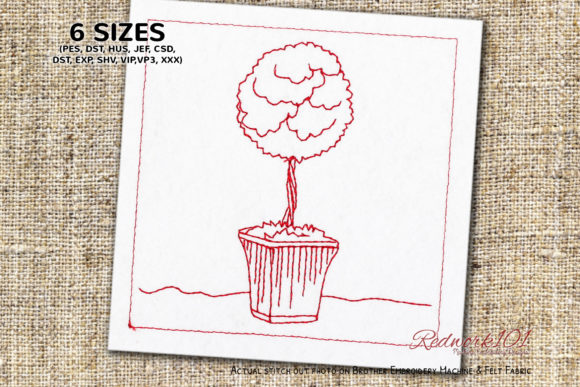
Chinoiserie Topiary Bluework Review
As an embroidery designer who has spent years digitizing and testing files for commercial use, I approach every new machine embroidery design with a critical eye. It is not enough for a pattern to look pretty on a screen; it must perform flawlessly under the needle and elevate the brand it represents. Today, I am reviewing Chinoiserie Topiary Bluework, a piece categorized under the Forest product type, specifically evaluating its potential for small business merchandise and branded patch applications.
The first impression of this design is one of refined elegance. The term "Chinoiserie" immediately evokes a sense of classic, decorative artistry, while "Topiary" suggests structure, nature, and careful cultivation. For a boutique owner or a creative studio, this visual language speaks volumes. It feels premium, traditional, and distinctly handmade without appearing rustic or unpolished. This balance is crucial when you are trying to position your small business merch as high-quality rather than mass-produced.
Visual Personality and Brand Fit
When considering where Chinoiserie Topiary Bluework fits within a brand identity, think about businesses that value heritage, nature, and craftsmanship. This design would be exceptional for florists, botanical gardens, upscale bakeries, tea shops, or heritage clothing brands. The "Bluework" aspect implies a monochromatic or limited color palette, which is a massive advantage for brand consistency. It allows the design to remain versatile across various thread colors without losing its integrity.
For Etsy sellers and crafters, the aesthetic is friendly yet sophisticated. It does not scream for attention like a neon graphic; instead, it invites closer inspection. This subtlety builds customer trust. When a client sees a well-executed, intricate design on a tote bag or apron, they perceive higher value in the finished product. It signals that the creator cares about details, which translates directly to perceived quality in their other offerings.
Real-World Applications for Small Businesses
The true test of any digital embroidery file is its versatility in real-world scenarios. Here is how I envision Chinoiserie Topiary Bluework performing across different merchandise types:
- Embroidered Patches: This is perhaps the strongest application. The structured nature of a topiary lends itself well to the defined edges of a patch. You can create iron-on or sew-on patches for customers to add to jackets, hats, or bags. The optional Box Stitch mentioned in the description is vital here, as it provides a clean border that frames the design professionally.
- Apron Embroidery: For cafes and florists, branded aprons are walking advertisements. Placing this design on the chest pocket area adds a touch of class. Ensure you check the stitch density; if it is too high, it may pucker lighter cotton fabrics common in aprons.
- Tote Bag Design: Canvas totes are staples for handmade brands. This design works beautifully as a central motif. The bluework style contrasts nicely against natural canvas or white fabric, creating a chic, minimalist look that appeals to modern consumers.
- Cap Embroidery: Using this on the front of a cap requires caution. Curved surfaces distort designs. If the topiary is tall and narrow, it might work on the side panel or the back of a dad hat, but likely not on the stiff front panel of a structured cap unless scaled down significantly.
- Staff Uniforms: For boutique staff, a small version of this design on a shirt cuff or collar can serve as a subtle badge of authenticity. It reinforces brand identity without being overpowering.
Technical Considerations and Production Notes
Before you load this embroidery file into your machine for a large production run, there are several technical factors to address. The product description notes that the Box Stitch is optional and that the outer box color varies. This variability means you must be deliberate in your setup.
First, always test the design in black and white or a single thread color before committing to a multi-color scheme. This helps you evaluate the contrast and readability of the lines. If the details blur together in monochrome, they will likely get lost in fabric texture as well. Speaking of which, fabric texture plays a huge role. This design, with its likely fine lines and detailed foliage, will perform best on smooth, tightly woven fabrics like twill, poplin, or high-quality canvas. Avoid highly textured materials like heavy wool or loose knits, as the needle may skip or the design may sink into the pile.
Stabilizer selection is non-negotiable. For a design intended for patches or structured items like caps, use a cut-away stabilizer to maintain shape over time. For softer items like tote bags or t-shirts, a tear-away might suffice, but test for puckering. If the stitch density is high, you may need to use a water-soluble topping to prevent the stitches from sinking into plush fabrics.
Sizing and Placement Strategy
One of the most common mistakes in commercial embroidery is scaling a design too small. Intricate designs like Chinoiserie Topiary Bluework need room to breathe. If you shrink it too much for a tiny chest logo, the fine details of the topiary leaves may merge into a solid blob of thread. I recommend creating a printable mockup at actual size to visualize the impact. Hold it up against the garment to see if the proportions feel right.
Check the recommended hoop size for this file. If the design is large, you may need a 5x7 or 6x10 hoop. Ensure your machine can handle the required hoop size for the item you are decorating. For example, embroidering a large design on a finished tote bag might require a hoop station or a specific technique to avoid hooping the entire bag, which can be difficult.
Enhancing Brand Value Through Detail
Using a design like this is not just about decoration; it is about asset building. Your design assets should work together to tell a story. If your brand is about natural beauty and careful curation, this topiary design reinforces that narrative. It adds a layer of professionalism that generic clip-art cannot match.
When you offer this as part of your product line, whether as a standalone patch or embroidered on a garment, it increases the perceived value. Customers are willing to pay more for items that feature complex, well-digitized embroidery because they recognize the skill involved. This is particularly true for handmade product lines where the human touch is the primary selling point.
Final Verdict and Licensing Check
In summary, Chinoiserie Topiary Bluework is a strong contender for businesses looking to add a touch of elegant, nature-inspired flair to their merchandise. It is versatile enough for patches, apparel, and accessories, provided you respect its technical requirements. However, before you begin production, you must verify the specific details that were not fully explicit in the brief description.
Do not assume the stitch count, exact file formats included, or specific license terms. Always confirm commercial licensing rights before using any digital embroidery file for goods you intend to sell. Check if the license allows for unlimited physical sales or if there is a cap. Additionally, verify if the file includes multiple formats compatible with your specific machine brand.
By treating this design as a strategic business tool rather than just a pretty picture, you can leverage Chinoiserie Topiary Bluework to enhance your brand identity, delight your customers, and create memorable, high-quality merchandise that stands out in a crowded market.